Oil Slick: Why I've Stopped Pushing Pricey Face Serums on British Skin
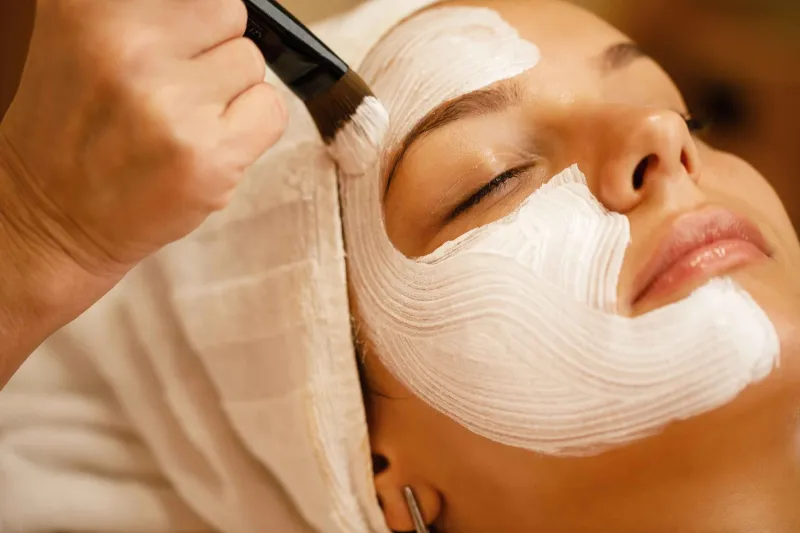
Photo: facial oil dropper bottle bathroom shelf natural skincare, via nekadamskinesthetics.com
I used to be a facial oil evangelist. If a rep sent a £40 serum with a dropper and a nice bottle, I'd nod and say 'lovely texture'. Now I'm older, I've got central heating, and I've spent enough of my own money on tiny bottles to have opinions. So here's the honest version: most people in the UK don't need a £40 facial oil. Some don't need a facial oil at all. And the ones who do can spend a tenner.
The UK weather problem
British skin has a specific set of challenges: wind, rain, central heating, air conditioning, and a general lack of sunlight from October to April. That means we're often dealing with dehydration (water loss) rather than dryness (oil loss). Oils don't add water. They sit on top and stop water escaping. That's useful — but only if you've put water-based moisturiser underneath. If you slap oil on dry skin in a draughty office, you're just sealing in nothing.
Also, our weather isn't actually that cold compared to, say, Canada. But it is damp and changeable, and we spend a lot of time indoors with the heating on. That's a recipe for a tight, flaky forehead and an oily t-zone. A heavy oil can make the oily bits worse.
Which oils actually suit British skin?
Let's break it down by what you're likely dealing with:
- Dehydrated but oily: You need a light oil. Squalane (often derived from olives or sugar cane) is brilliant — it's similar to skin's own sebum, so it doesn't clog. Jojoba is also good. Avoid coconut oil on the face; it's too heavy and comedogenic for most.
- Dry and tight: Rosehip oil is lovely, but it's not a miracle. It's rich in linoleic acid, which is good for barrier repair. Mix a couple of drops into your night cream rather than using it neat.
- Sensitive or reactive: Keep it simple. A basic squalane or a fragrance-free oil. Avoid essential oils — lavender, tea tree, citrus — they're more likely to irritate than help.
- Rosacea or acne-prone: Be careful. Oils can be fine, but patch test. If you're acne-prone, a gel moisturiser might be better than any oil.
The expensive ones often add essential oils and fancy packaging. That's not better for your skin. In fact, fragrance is one of the most common irritants.
The £40 serum problem
I've tried them. Some are lovely. But the ingredients list is often: a base oil (squalane, jojoba, or a cheap carrier), a few drops of something trendy (bakuchiol, rosehip, whatever), and a lot of fragrance. You're paying for the bottle and the marketing. The Ordinary does a squalane for under a tenner. Superdrug's own-brand oils are decent. Aldi occasionally does a £4 rosehip oil that's fine.
What you're not paying for in a £40 serum is a proper facial. A facial includes cleansing, exfoliation, massage, extractions, and someone checking your skin. That's worth the money. A dropper bottle of oil is not.
How to choose an affordable oil
Look at the back of the bottle, not the front. You want:
- A short ingredient list. Ideally one or two ingredients.
- No added fragrance or essential oils if your skin is sensitive.
- A dark glass bottle (light degrades oils).
- A pump or dropper that doesn't let air in.
And don't buy a 'facial oil' if you've already got a moisturiser you like. You can add a drop of squalane to your existing moisturiser. That's the whole trick.
When to book a Hut facial instead
There are times when an oil at home won't cut it:
- You've got congestion you can't shift with cleansing. A professional can do a proper steam and extraction.
- Your skin has suddenly changed — dryness, breakouts, reactivity. That's worth a conversation, not a guess.
- You want the massage. Honestly, the lymphatic drainage and shoulder massage in a facial does more for my stress than any serum.
- You've got an event and want a glow. A facial with exfoliation and massage gives a temporary lift that no oil can replicate.
And if you're just after hydration, a Hut express facial is probably cheaper than three months of a £40 serum. That's the maths I keep coming back to.
The bottom line
Oils are not a con. The con is the price tag and the idea that you need a separate £40 product for every concern. British skin needs water, a barrier, and a bit of patience. A tenner's worth of squalane and a warm flannel will do more than a shelf of serums. And when you want the full works, book the Hut — that's what we're here for.
Next week: the £25 pamper night in. Yes, I'm still banging on about it.